
- Your cart is empty
- Continue shopping
-
sales@primiumpoppypods.com
- Posted on
- Categories:Uncategorized
- 0 comments
Papaver Seeds: Nature’s Tiny Powerhouses
Papaver seeds, more commonly known as poppy seeds, come from plants in the Papaver genus, a group that includes many ornamental and culinary varieties. These small, oil-rich seeds have played a role in human culture, nutrition, and medicine for thousands of years. Today, they remain popular around the world for their delicate flavor, striking appearance, and impressive nutritional value.
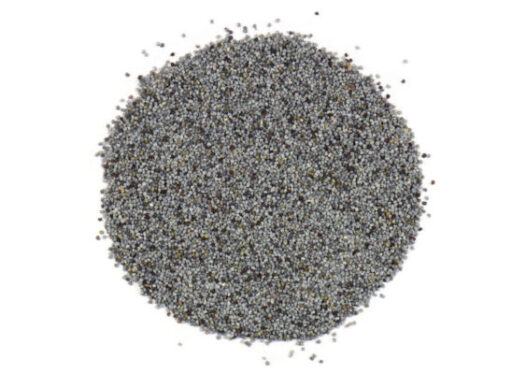
What Are Papaver Seeds?
The Papaver genus includes more than 70 species of poppies. Among them, Papaver somniferum, the breadseed poppy, produces the familiar edible seeds used in cooking and baking. The seeds are tiny, round, and often bluish-gray or black. They have a mild, nutty flavor and a crisp texture that complements many dishes.
Farmers harvest papaver seeds from mature poppy pods once the flowers have dried. After cleaning and drying, the seeds are ready for culinary and nutritional use. Despite their association with the opium poppy, the seeds contain only trace alkaloids and are completely safe when processed correctly.
Culinary Uses
Papaver seeds bring both taste and texture to countless recipes. Bakers often sprinkle them over breads, muffins, and rolls to create a decorative, crunchy topping. In Central and Eastern Europe, ground poppy seeds serve as a key ingredient in traditional pastries such as strudels and kolaches. In India, cooks use them to thicken sauces, prepare desserts, and add richness to curries.
When roasted or toasted, the seeds develop a deeper aroma and slightly nutty flavor. Their subtle taste pairs well with honey, lemon, and dairy-based dishes. Many chefs appreciate their ability to enhance both sweet and savory recipes.
Nutritional Value
Papaver seeds may be small, but they are nutrient-dense. They contain plant-based protein, fiber, and healthy fats. The seeds provide essential minerals like calcium, magnesium, iron, and zinc, all of which support bone strength, energy metabolism, and immune function.
The natural oils found in papaver seeds are rich in omega-3 and omega-6 fatty acids, which contribute to heart and brain health. Their fiber helps improve digestion and maintain healthy cholesterol levels. A spoonful of poppy seeds sprinkled over yogurt, oatmeal, or salad adds both flavor and nutrition.
Cultural and Historical Significance
The history of papaver seeds stretches back thousands of years. Ancient civilizations in Mesopotamia and Egypt cultivated poppies for food, medicine, and ritual use. Over time, the plant spread to Asia and Europe, where people valued both its beauty and practicality.
While some Papaver species produced medicinal compounds like morphine and codeine, the seeds themselves were prized mainly for culinary purposes. They symbolized fertility, abundance, and rest in many ancient cultures.
Modern and Legal Context
Today, papaver seeds are legal and widely available for culinary use around the world. However, cultivation of certain Papaver species remains regulated because of their potential to produce narcotic substances. Commercial food producers clean and heat-treat the seeds to ensure safety and quality.
Conclusion
Papaver seeds capture the balance between beauty, flavor, and nourishment. From their deep roots in ancient history to their continued use in modern kitchens, they remind us how something so small can carry rich cultural and nutritional value. Whether sprinkled on bread or blended into traditional dishes, these tiny seeds continue to connect nature, health, and tradition in every bite.
