
- Your cart is empty
- Continue shopping
-
sales@primiumpoppypods.com
- Posted on
- Categories:Uncategorized
- 0 comments
Understanding Morphine Seeds: Nature, Science, and Regulation
Morphine Seeds come from the opium poppy (Papaver somniferum), a plant valued for both its beauty and its medical significance. Although the name sounds alarming, the seeds themselves do not contain narcotics. People can safely handle them, and they are distinct from the opium-producing parts of the plant.
What Are Morphine Seeds?
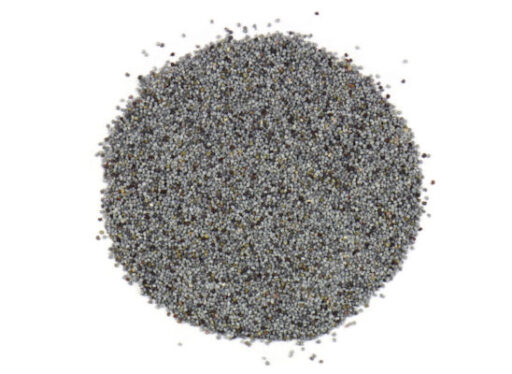
Morphine seeds are small, round, and usually gray or blue. They do not contain significant amounts of morphine or other narcotic compounds. The poppy’s seed pods produce a milky latex that contains morphine and codeine. Manufacturers process this latex under strict regulations to make medicinal morphine.
Uses of Morphine Poppy Seeds
People commonly use morphine poppy seeds as culinary poppy seeds. Bakers and chefs wash and dry them to remove any latex residue, making them safe to eat. They add flavor and texture to bread, pastries, salads, and other dishes.
Farmers and producers also press poppy seeds to make poppy seed oil, which contains healthy fats. People use this oil in cooking, skincare products, and even in painting. Despite the plant’s connection to narcotics, the seeds themselves remain safe and legal when processed correctly.
Cultivation and Legal Restrictions
Authorities strictly regulate Papaver somniferum because the plant can produce narcotics. In the U.S. and many other countries, individuals need a license to grow opium poppies for morphine extraction.
However, gardeners can legally grow ornamental or culinary poppies in some regions. Anyone planting poppies should check local laws. Following these rules ensures safety and avoids legal problems.
Scientific and Medical Importance
Doctors rely on morphine from opium poppies to treat severe pain. Researchers study the plant to develop safer, synthetic alternatives. The plant remains one of the most important natural sources of pain management in medicine.
Key Safety Note
People must understand that morphine seeds are not the same as the narcotic latex. They can safely eat, store, or plant the seeds for culinary or ornamental purposes. The latex contains the narcotic compounds, not the seeds.
Conclusion
Morphine Seeds serve culinary, ornamental, and industrial purposes while the plant’s latex provides medicine under regulation. Understanding the difference between seeds and narcotic parts prevents confusion and promotes safe use. The opium poppy remains a remarkable plant, valued for its beauty, history, and contribution to medicine.
