
- Your cart is empty
- Continue shopping
-
- Posted on
- Categories:Uncategorized
- 0 comments

The Power and Purpose of Dried Seeds
Dried Seeds are nature’s way of preserving life in a tiny, compact form. They hold the potential to grow into plants, flowers, or trees, carrying within them the genetic blueprint of life. For centuries, humans have used dried seeds for planting, cooking, health, and even trade. Today, they remain one of the most valuable and versatile natural resources on Earth.
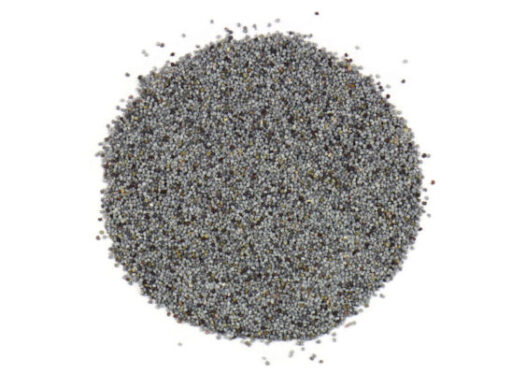
What Are Dried Seeds?
Dried seeds are mature seeds that have been dehydrated to remove excess moisture. This process helps extend their shelf life and prevent mold, rot, or early germination. Drying can occur naturally, as seeds mature and dry on the plant, or artificially through controlled drying techniques.
The drying process locks in nutrients and preserves the seed’s ability to germinate later. Properly dried seeds can remain viable for years, depending on the species and storage conditions. Gardeners, farmers, and seed collectors all rely on dried seeds to maintain plant diversity and ensure future harvests.
Uses of Dried Seeds
Dried seeds have a wide range of uses beyond planting. In the kitchen, they are key ingredients in many global cuisines. Common examples include sunflower seeds, pumpkin seeds, sesame seeds, chia seeds, and flaxseeds. These seeds are nutrient-rich, providing protein, fiber, healthy fats, and essential vitamins and minerals.
Many people enjoy roasted or raw dried seeds as snacks, while others add them to salads, smoothies, or baked goods. They also serve as the base for products like sesame oil, tahini, and seed-based protein powders.
In agriculture, dried seeds are essential for crop production. Farmers save and store dried seeds each season to plant in the next. Seed banks also preserve these seeds from around the world to protect plant species and maintain biodiversity.
How to Dry and Store Seeds
Drying seeds properly is crucial to maintain their quality. Start by collecting seeds from fully mature plants. Spread them out in a single layer on paper or mesh in a dry, shaded area with good airflow. Avoid direct sunlight, which can damage the seeds. Once they are completely dry, store them in airtight containers, such as glass jars or sealed bags.
Label each container with the seed type and date collected. Store them in a cool, dark place to prevent moisture and heat from reducing their viability. For long-term storage, refrigeration or freezing can help preserve the seeds even longer.
Benefits of Dried Seeds
The benefits of dried seeds are immense. They provide an affordable and sustainable way to grow food, conserve rare plant species, and maintain ecological balance. Nutritionally, these seeds are superfoods packed with antioxidants, omega-3 fatty acids, and plant-based protein. They support heart health, digestion, and energy levels while promoting environmental sustainability.
Conclusion
Dried Seeds represent both life and longevity. From nourishing the body to regenerating the earth, they play an essential role in food, health, and nature’s cycle. Whether used for planting or eating, these seeds connect us to the power of growth and renewal. By preserving and using them wisely, we continue a timeless tradition that sustains both people and the planet.
